
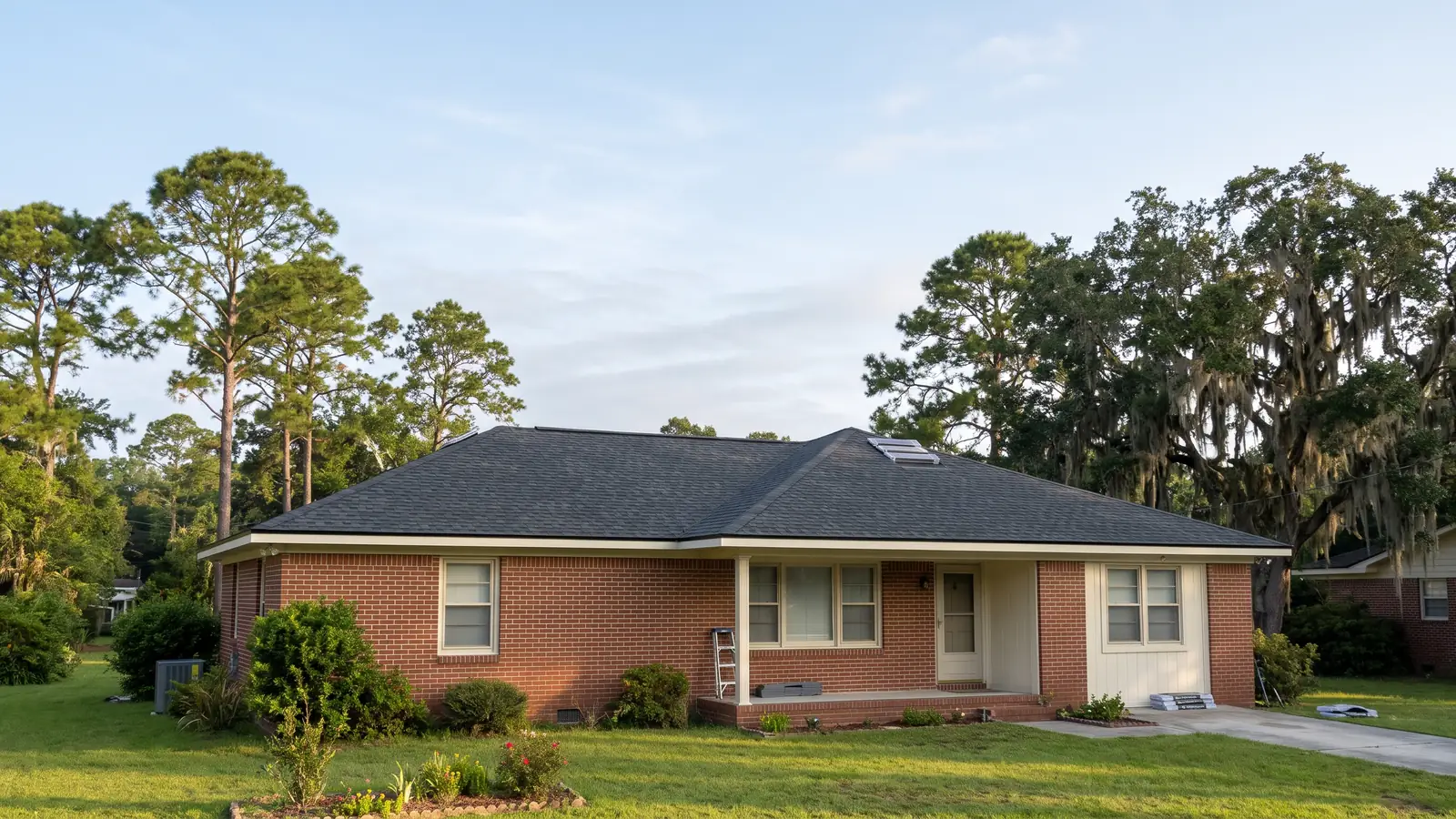
Solar Panel Removal and Reinstall Steps and Parts
A solar reset puts two trades on one roof. Each stage below has its own crew, cost and check.
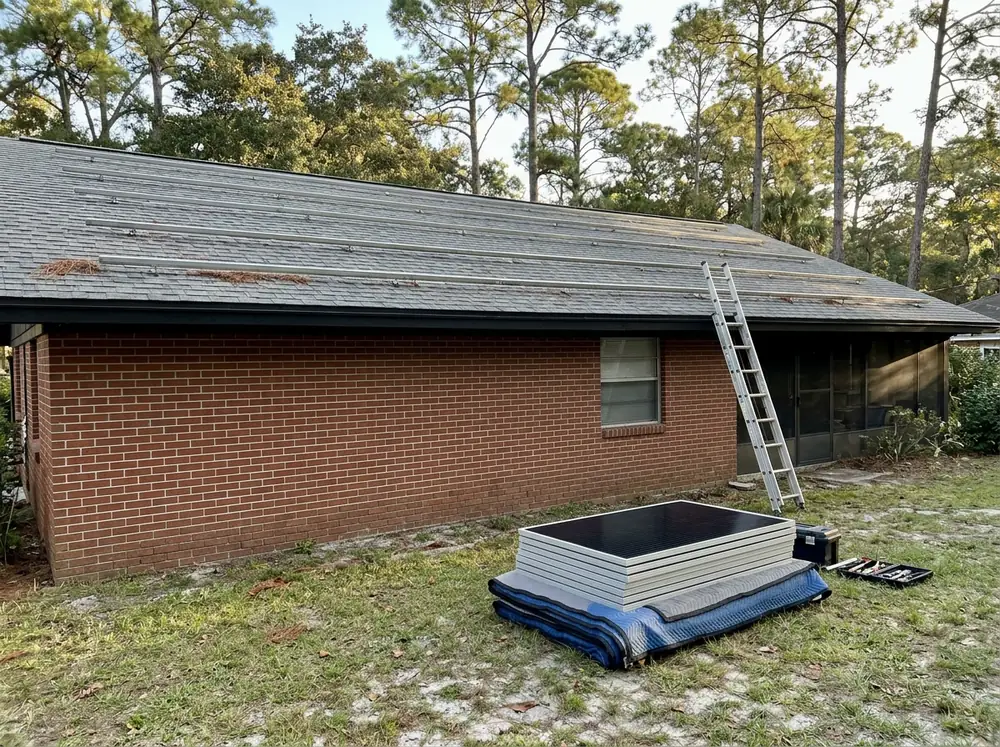
Detach-and-Reset Sequence
Fixr describes the order: shut the system down, unhook the panels from each other, lift them off the mounting hardware and lower them to the ground, then pull the mounts, cables and wiring off the roof. Panels are bundled and stored on site, or hauled to the installer's warehouse for about $250. The roof is torn off and replaced, which takes one to three days for shingles (HomeGuide). Then the mounts, panels and wiring go back up and the system is inspected and switched on.
- Removal: 1 to 2 days
- Reinstall: 2 to 3 days
- Cost: $200 to $300 per panel, steeper roofs and bigger arrays at the top
Many owners have the panels cleaned while they're down, which Fixr prices at $15 to $35 per panel. Fixr's roof replacement guide gives a lower $500 to $2,000 range for the reset, so quotes will vary. Get the solar company's price in writing before the tear-off is booked.
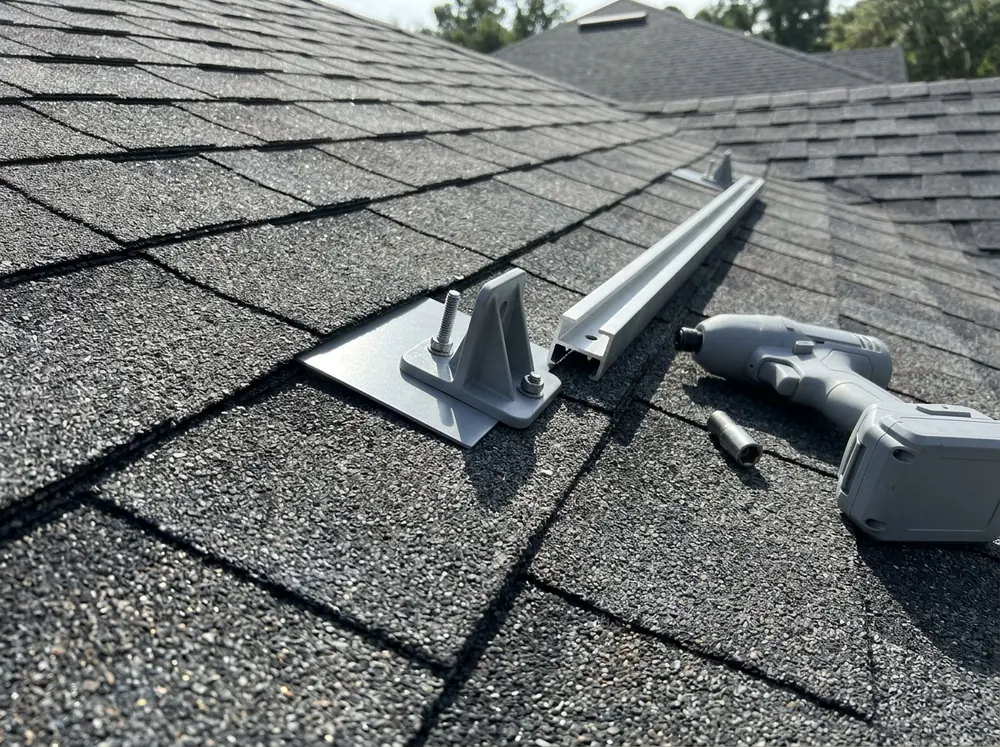
Racking and Mount Flashing on the New Roof
Every mount is a bolt through the new roof, and the code treats it like any other opening: R903.2.1 of the Florida Building Code, Residential, 8th edition, requires flashing around roof openings. When the old mounts come out, Fixr notes the holes have to be patched before the new covering goes on. Ask the roofer to photograph the deck once the mounts are pulled, and ask the solar company to confirm in writing what flashing it uses at each new mount and who answers for a leak at one.
Electrical Disconnect by a Solar or Electrical Contractor
Fla. Stat. 489.105 defines a solar contractor's work to include the relocation of photovoltaic panels and "any appurtenances, apparatus, or equipment" connected to them. The same section lets other certified or registered contractors do that work if it falls within their own license scope. In practice the shutdown and reconnection go to a contractor whose license covers PV, usually the solar company, while the roofer handles the roof. Check each company's license separately; roof repair explains how to look one up.
Timing a Reroof Against Panel Age
The Department of Energy's homeowner guide tells buyers to consider how long the roof has left before installing solar, and DOE puts panel life at about 25 to 30 years. If the roof is much older than the panels, expect to pay for at least one reset during the system's life. If both are near the end, replacing the roof and the system together avoids paying for a reset at all. Roof replacement lists typical lifespans by material.
Critter Guards and Conduit
Fixr notes that repairs to panels or wiring found during removal aren't included in the reset price. Ask for any conduit that crosses the roof to be listed in the quote, along with how its roof penetrations are flashed, and whether mesh guards around the array edge are being reused, replaced or added.
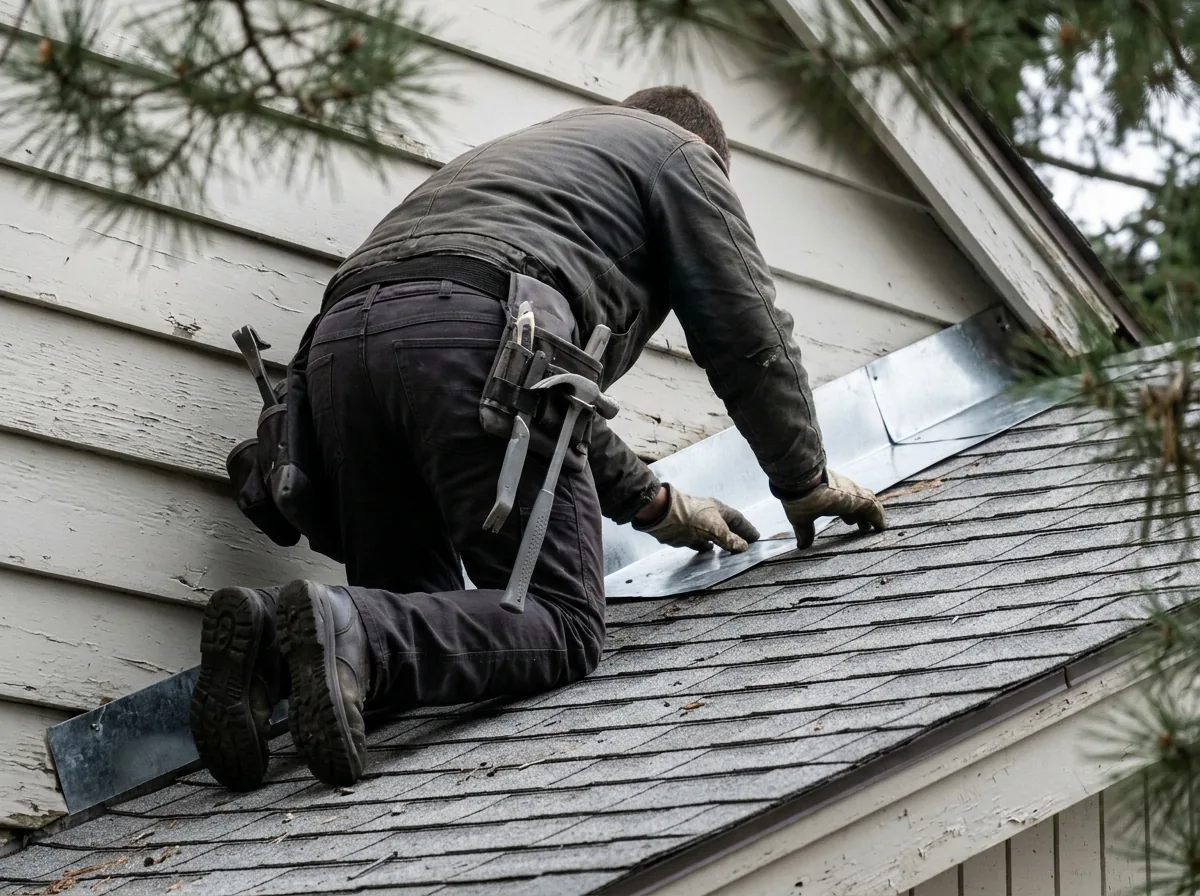
Why Tallahassee homeowners call Tallahassee Expert Roofing
- Your request reaches one roofer, never a call list
- Homeowners pay nothing to use this line
- Ask for the shingle wind class and Product Approval number in writing
- The roofer's estimate is free and you're not obliged to hire
Solar Panel Reinstall Permits and Code
Neither the City of Tallahassee's fee schedule (effective October 1, 2026) nor Leon County's lists a separate fee for a detach-and-reset. Both price a new PV installation:
Unincorporated Leon County
solar photovoltaic systems, $180 flat fee. The county's permit FAQ lists solar installations among projects that need a building permit.City of Tallahassee
PV is billed under electrical alterations, with a $70.07 application fee for a one- or two-family home, plus $70.07 for the first kilowatt and $8.69 for each kilowatt after.
Whether a reinstall needs its own permit isn't stated in either schedule, so ask the solar company whether it pulls one and whether the price includes it. The reroof itself is permitted separately; roof replacement explains both offices.
The reinstalled array also has to meet the roof code. R905.17 requires rooftop PV to be designed for wind loads under ASCE 7, carry the same fire classification as the roof assembly, and go in per the manufacturer's instructions with UL 1703 listed panels. R907.1 adds NFPA 70 and the Florida Fire Prevention Code. Ask whether any racking hardware is being replaced and, if so, whether the new parts match the listed system.